No one knows who may need blood tomorrow… but together, we can be there when it matters most. Download the Runanubandh app and join Blood in Need today.
Click here and Download J.N.M.S Runanubandh App
“Mega Tree Plantation Campaign – A Pledge to Plant Millions of Trees I 6,18,009 Trees have been planted in just 15 days."
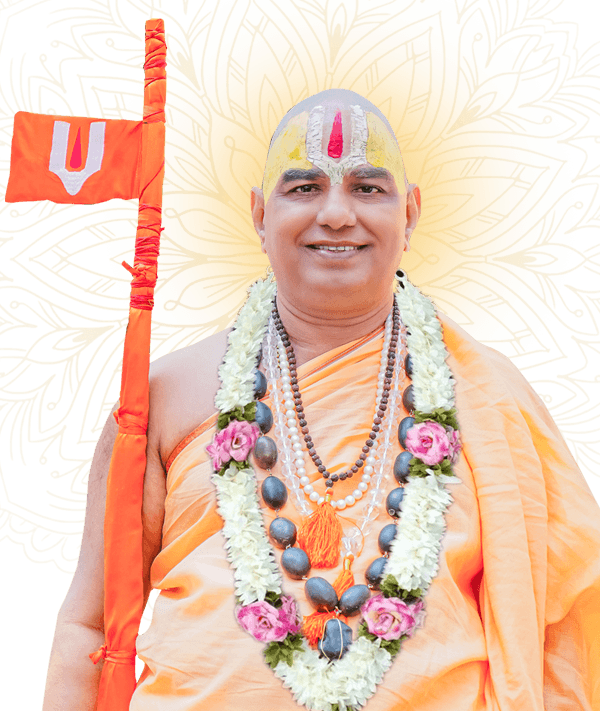
Jagadguru Ramanandacharya Narendracharya
The Divine Emblem of Sanatan Vedic Dharma and Humanity
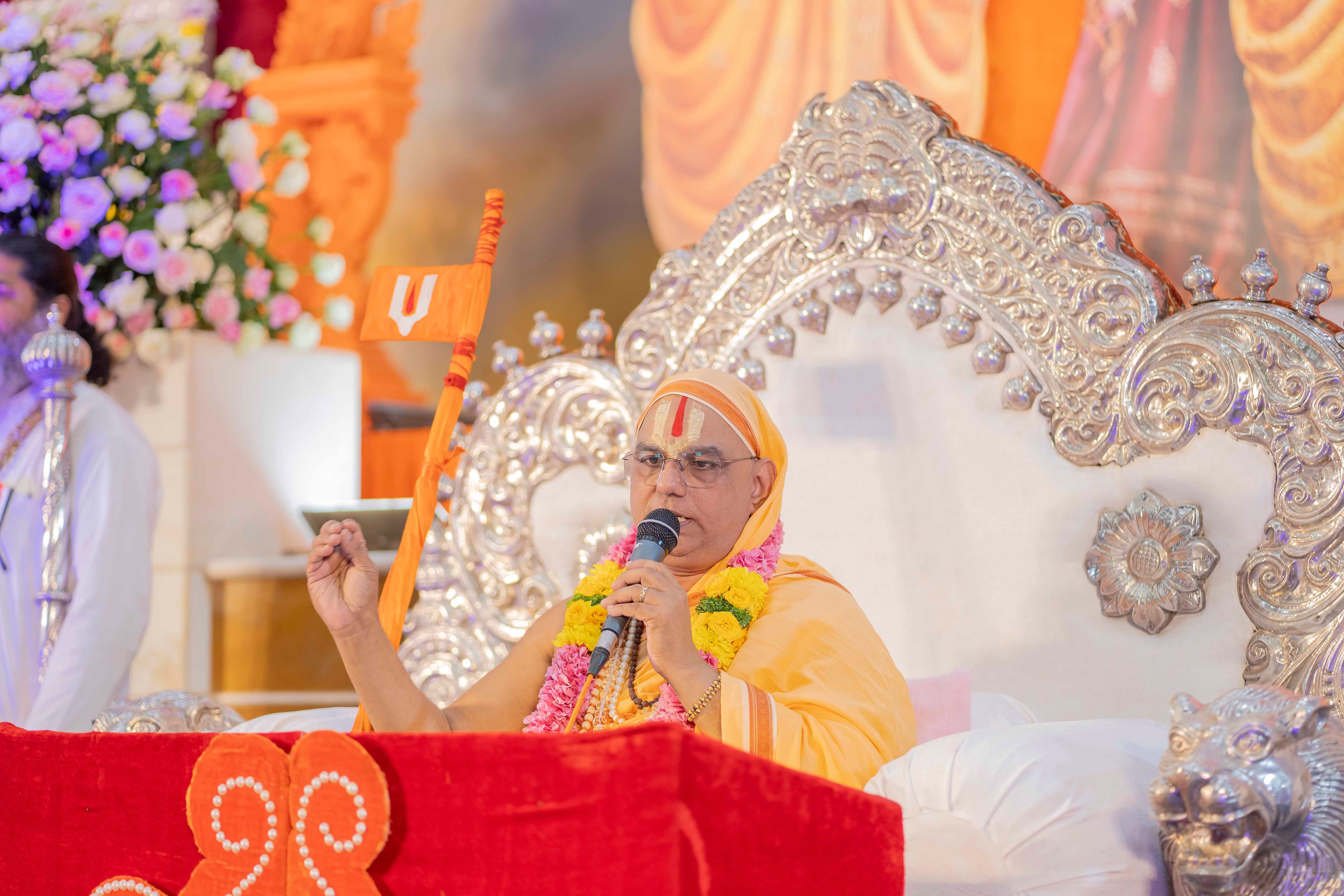
The name Jagadguru Ramanandacharya Narendraacharyaji stands as a radiant beacon of Sanatan Vedic Dharma and a living embodiment of boundless compassion for humanity. He is not merely a revered spiritual Guru, but also a supreme knower of Truth — a divine source of inspiration and realization, whose wisdom continues to guide generations through the eternal light of dharma and universal love. Through his continuous spiritual practice, profound philosophy, and all-embracing vision, he has dedicated himself to uniting the human soul with the Divine. Every teaching he imparts radiates the light of devotion, conveys the realization of self-knowledge, and reveals the touch of the Supreme Truth. As the Head of Ramanandacharya Dakshinpeeth, Shri Kshetra Nanijdham, he has transformed this sacred land into a divine site of pilgrimage, knowledge, spiritual practice, and compassion. Under his gracious and ever-living guidance, countless souls have been inspired to walk the path of devotion. The essence of his work lies in the expansion of Bhakti (devotion), the awakening of Atma-Jnana (self-realization), and the experience of the Param-Satya (Supreme Truth). Today, under his leadership, Nanijdham stands not merely as an ashram, but as a luminous, inspirational, and enlightening center of liberation — a divine abode that continues to guide and uplift seekers from across the world. Every moment spent in the divine presence of Jagadguru is more than a passage of time — it is an eternal experience of divine realization. His words resonate with the sacred vibrations of the Vedas; his compassion reflects the very presence of the Almighty; and through his boundless grace, countless souls find the doorway to liberation opened before them.
Ramanandacharya Narendraacharyaji’s Life-Guiding “Trisootri”
- Keep your eyes scientific.
- Keep your mind spiritual.
- Keep your intellect realistic.
When knowledge and science are harmoniously integrated, ignorance can be completely overcome.
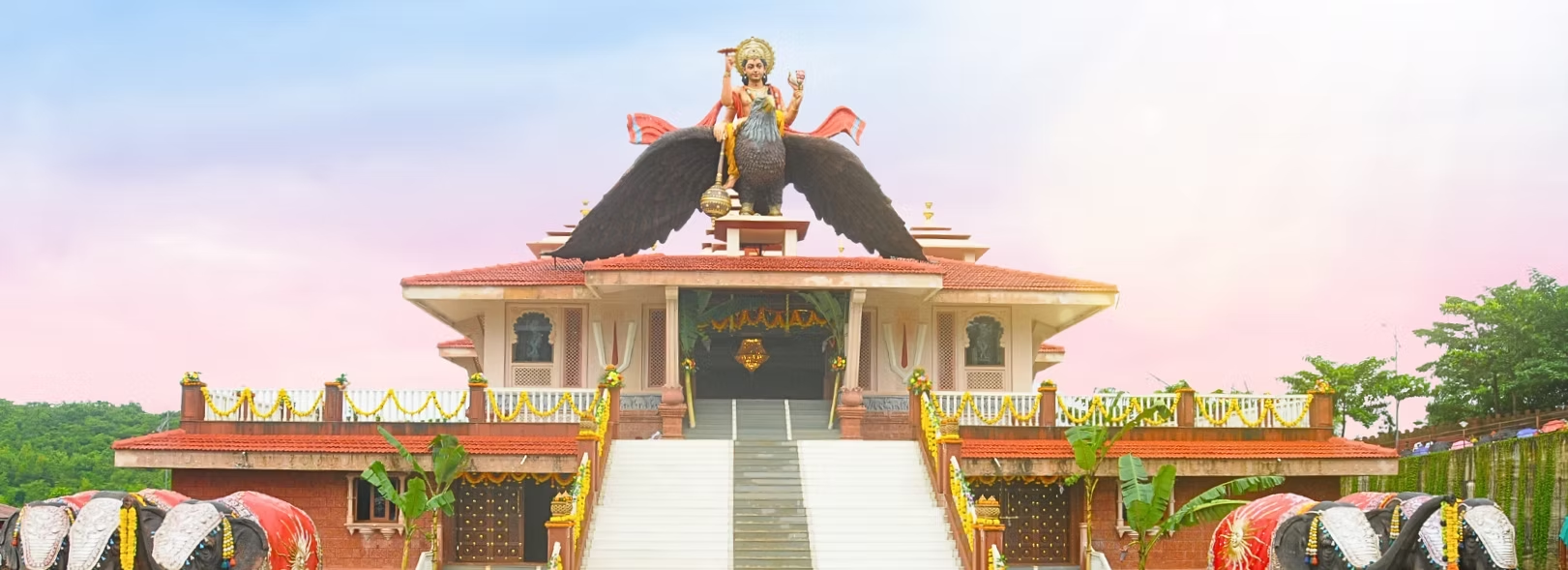
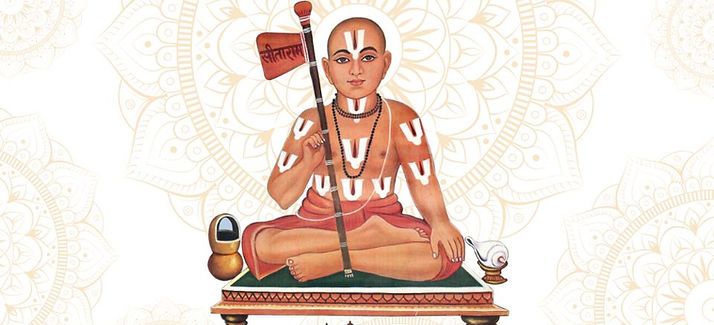
The Divine Successor of the
Ramanandacharya Tradition

Social Work of Ramanandacharya Narendraacharyaji
The social initiatives of Ramanandacharya Narendraacharyaji flow like pure streams from an ocean of compassion. Through the confluence of dharma and humanity, he initiated a form of service in which devotion and selfless welfare became one. Every endeavor he undertakes embodies the principle that true spiritual elevation must go hand in hand with the upliftment of society. His life’s work stands as living testimony to the truth that service is the highest form of spiritual practice, and that working for the welfare of others is the truest expression of self-realization.
Organ Donation
A Divine Commitment of Life Dedicated to Humanity.
Organ donation represents a sacred and selfless vow to extend life to others. Proclaiming the divine truth that “The body is perishable, but its organs can grant eternal life to others,” Jagadguru Ramanandacharya Narendraacharyaji has inscribed a new chapter in the history of compassion. Following the epoch-making initiative of posthumous body donation, he inaugurated the great Yajna of organ donation — an unparalleled act of human service, in which each organ becomes a radiant flame of life in another being’s existence. To date, 108 noble souls have donated their organs after death, offering, through their very bodies, the light of new life to humanity. This, indeed, is the highest form of liberation through service and the eternal propagation of the flame of compassion.
Annadaan
“Annam Brahma’ — that is, food is the tangible embodiment of the Divine.”
Food donation is not merely the act of offering meals; it is the sacred sharing of compassion, love, and devotion as divine grace. Inspired by the profound vision of Jagadguru Ramanandacharya Narendraacharyaji, the principal Peeth at Shri Kshetra Nanijdham, along with affiliated centers in Goa, Marathwada, Mumbai, Nashik, Nagpur, Telangana, and Omkareshwar, serves free meals twice daily to thousands of devotees and visitors. Through this noble service shines forth an eternal truth:
“Offering food is the touch of Divine Compassion and the purest worship of humanity.”
Posthumous Body Donation
A Divine and Epoch-Making Pledge of Selfless Service to Humanity.
The initiative of posthumous body donation represents a divine and revolutionary act of dedication to society. Jagadguru Ramanandacharya Narendraacharyaji, through the confluence of compassion, renunciation, and self-realization, has given humanity an inspiring message for a new era. Responding to his sacred call, thousands of hearts were moved — and with just one compassionate word from him, 56,537 devotees solemnly pledged to offer their bodies for the service of mankind. This initiative is not merely an act of donating one's physical body; it is a divine offering of the soul — a living manifestation of the truth that “Service itself is Shiva.” To date, 156 noble souls have immortalized their existence by donating their bodies after death, becoming luminous participants in this great Yajna of compassion.

Blood Donation
A Divine Mission of Life and Compassion for Society
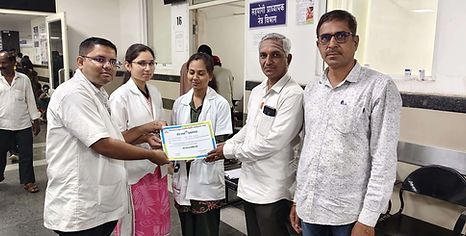
Patients suffering from sickle cell anemia, thalassemia, leukemia (blood cancer), and kidney failure require continuous and timely blood transfusions. With the divine intent that such patients should receive blood free of cost, Jagadguru Shri Ramanandacharya Narendraacharyaji has taken a sacred vow — to offer at least 100,000 bottles of blood every year to government blood banks. Each year, during the first fortnight of January, he leads the life-giving campaign known as the “Mahakumbha of Blood.” From 4 to 19 January 2025, this great Blood Donation Yajna resulted in the offering of over 136,000 bottles of blood for the service of society. Today, this blood stands as a symbol of compassion and life for countless patients — a living testament to the truth that service to humanity is the highest worship of the Divine.
Enlighten your mind
with spiritual insights!
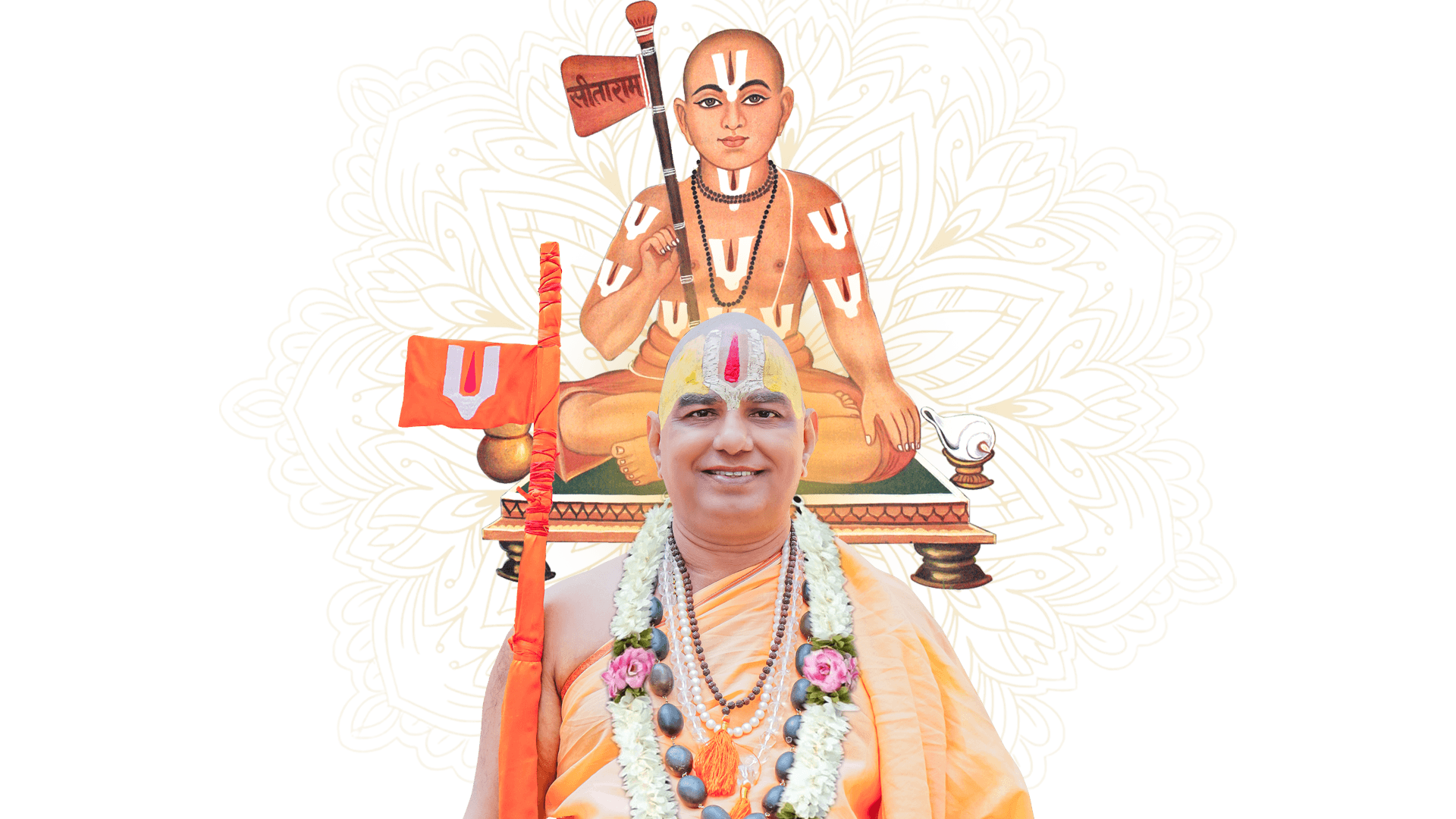
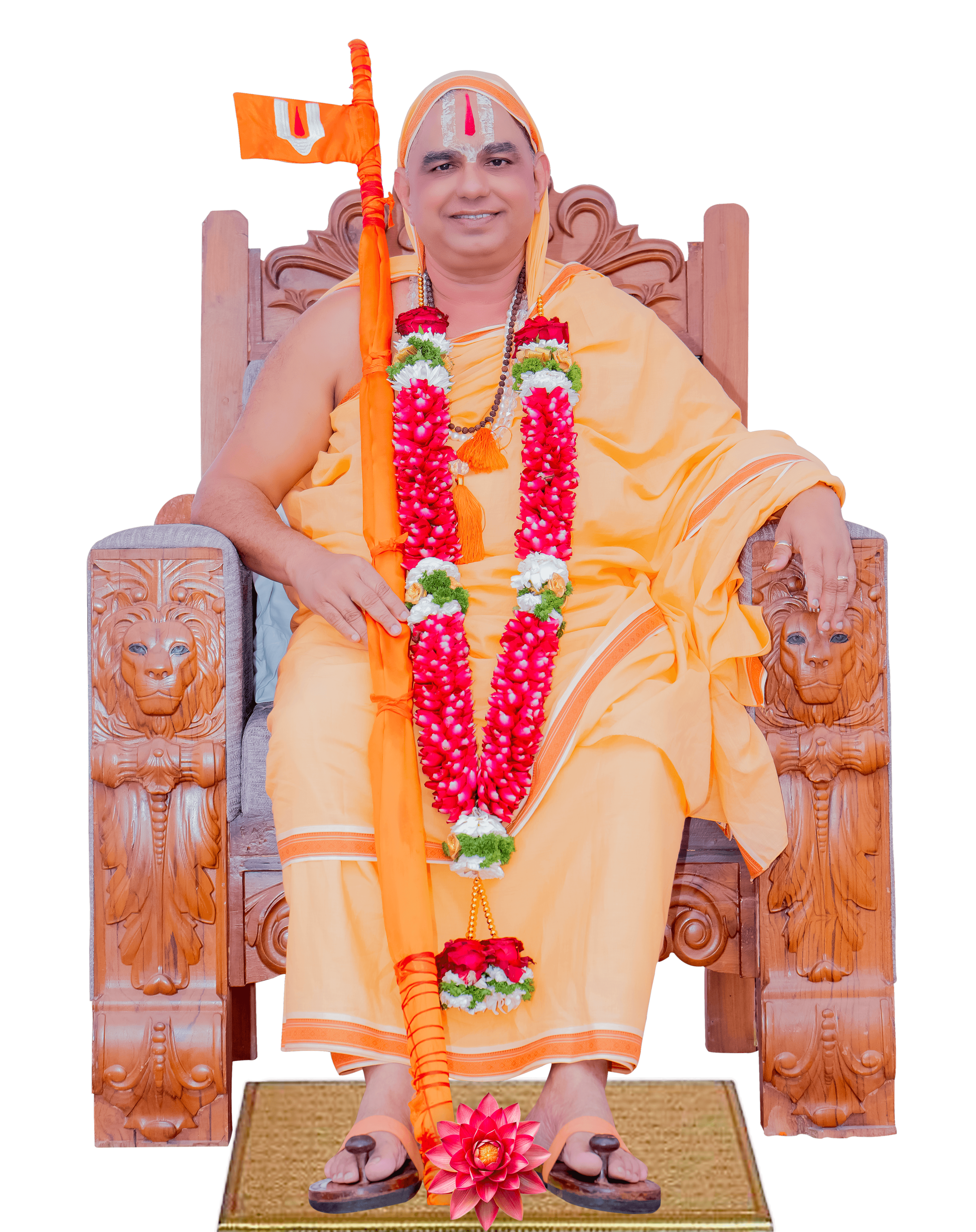

A Divine Philosophy Founded on Devotion, Compassion, Service, and Equality. The spiritual philosophy of Jagadguru Ramanandacharya Narendraacharyaji stands firmly upon four divine pillars — devotion, compassion, service, and equality — which form the foundation of his entire life doctrine. According to him, devotion is not blind faith, but a loving unification with the Supreme; compassion is the realization of God in every living being; service is the active expression of prayer; and equality is the experience of one Supreme Truth in all. In his spirituality, there is no place for discrimination or division, for to him, religion is the celebration of humanity, and God is the omnipresent consciousness manifest in all. He often says: “Devotion is the process of inner purification, Compassion is the expression of divine grace, Service is the breath of spiritual practice, And equality is the path to liberation.” Through these principles, he brought spirituality into practical life. Through numerous initiatives — such as food donation, blood donation, education, tree planting, and social service — he transformed devotion into action and action into spirituality. His life radiates the wisdom of the Vedas, the love of the saintly tradition, and the compassion of Karma Yoga in perfect harmony. Thus, the essence of his spiritual vision can be expressed in one eternal truth:
“Where there is devotion, there is compassion; Where there is service, there is equality; And where these four reside together — there alone is God.”
Jagadguru Ramanandacharya as a Excellent Planner
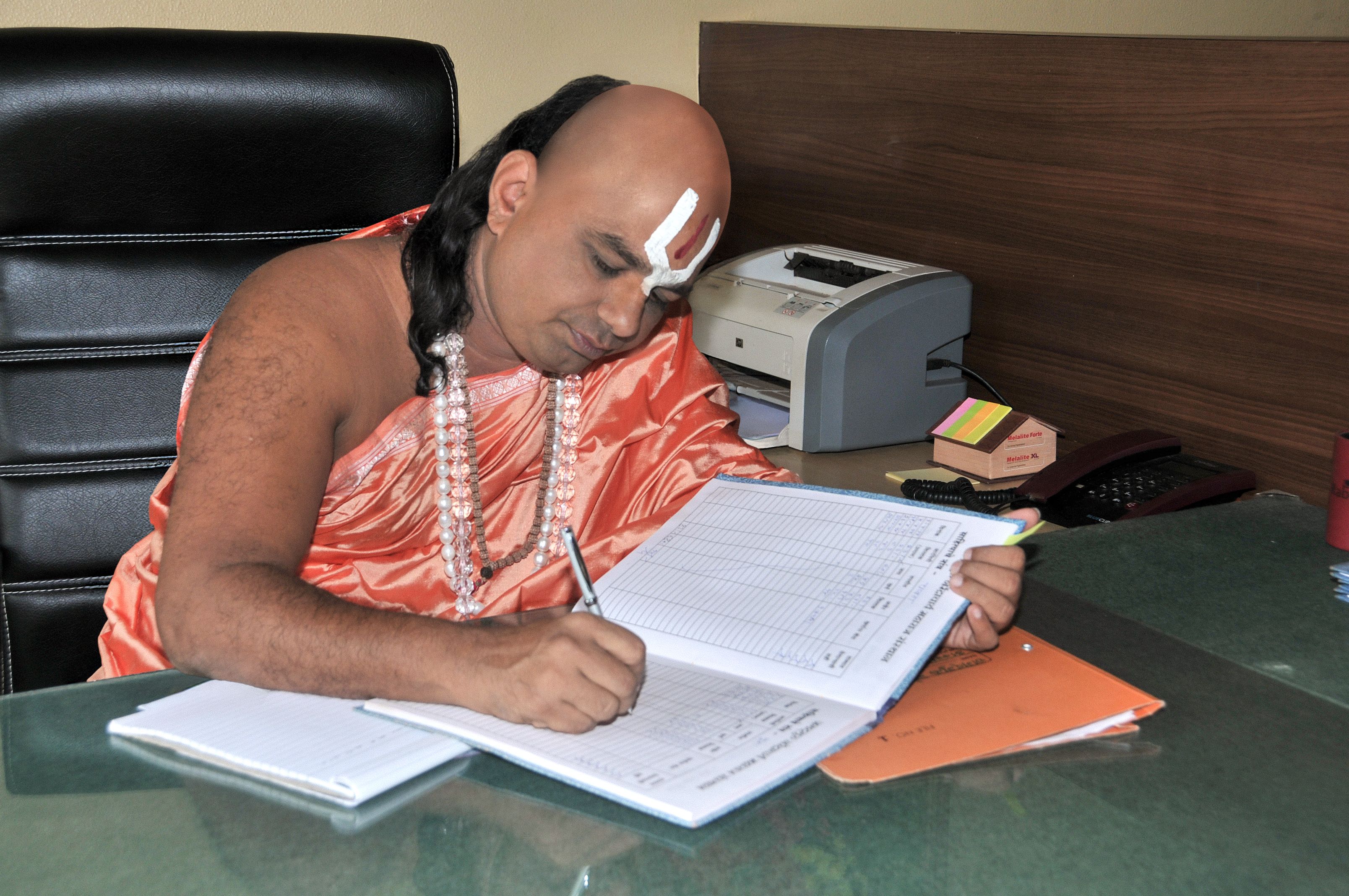
Jagadguru Narendraacharya plans the entire calendar of each year a year and a half in advance and publishes it in the form of a detailed schedule. Every initiative is launched only after meticulous planning, ensuring that no undertaking ever comes to a halt once it has begun.
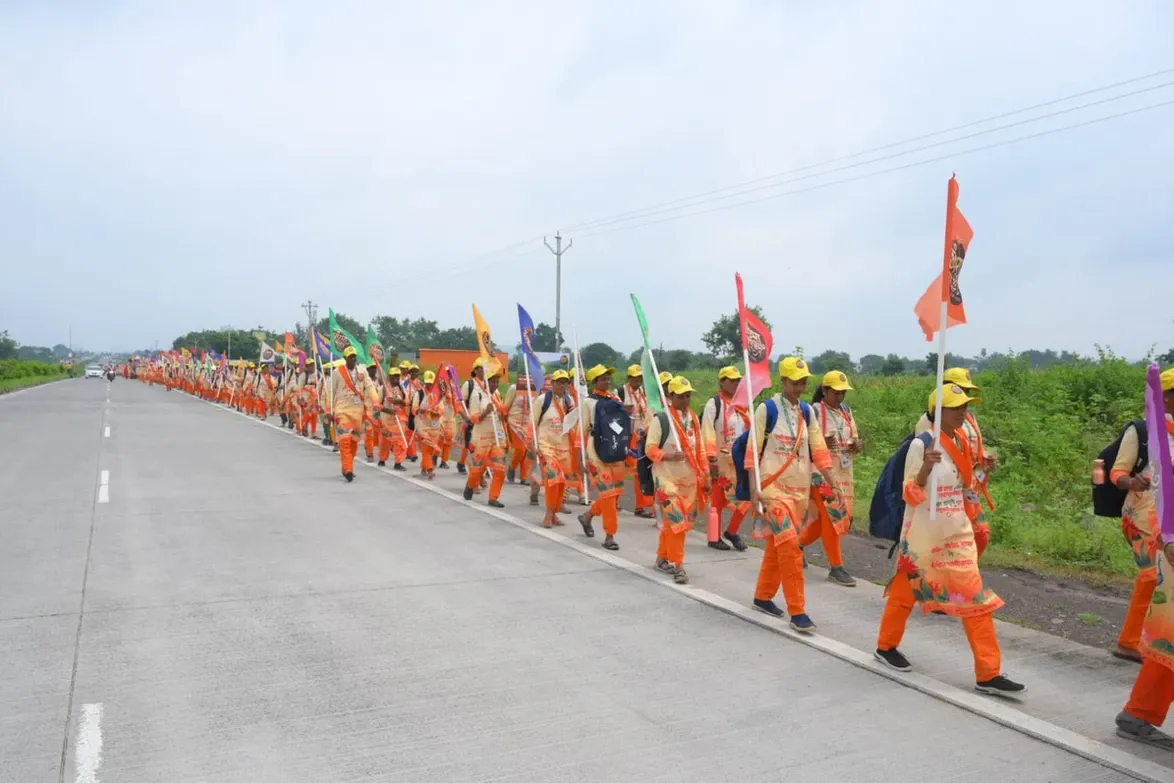
Vasundhara Dindi 2025 Ceremony
Recent Event Highlight
A historic spiritual phenomenon | Goveshwar Mahashiv Mandir Innaugration at Goa Peeth |14 & 15 Febuary 2026
In a moment that will be remembered for generations, the sacred land of Old Goa became the epicenter of divine energy as the grand inauguration of the Goveshwar Shiva Temple unfolded on 14th and 15th February at the revered Jagadguru Ramanandacharya Narendracharyaji Matth. Graced by the distinguished presence of the Honorable Governor and the Honorable Chief Minister of Goa, this monumental occasion transcended a mere ceremony—it became a spiritual awakening. The temple was ceremonially inaugurated by the Chief Minister, marking the rise of a new beacon of faith, devotion, and Sanatan values. Amidst powerful chants, sacred rituals, and an atmosphere charged with devotion, an astounding gathering of nearly 50,000 devotees from across India came together as one. Their presence transformed the event into a living ocean of faith—united in belief, devotion, and spiritual purpose. Adding timeless significance to this divine celebration, the Honorable Governor unveiled the sacred Granth “Goveshwar Mahima Samhita”, authored by Ramanandacharya Narendracharyaji—a profound spiritual work destined to inspire and guide countless seekers on the path of dharma. The two-day event witnessed an extraordinary congregation of disciples of Ramanandacharya Narendracharyaji, reflecting unshakable faith, unity, and a deep-rooted spiritual bond. This was not just an event—it was a historic spiritual phenomenon. A divine confluence where tradition met transcendence, where devotion turned into collective शक्ति (power), and where the spirit of Sanatan Dharma shone in its fullest glory. The inauguration of the Goveshwar Shiva Temple stands today as a symbol of faith, a source of inspiration, and a timeless testament to India’s enduring spiritual heritage.
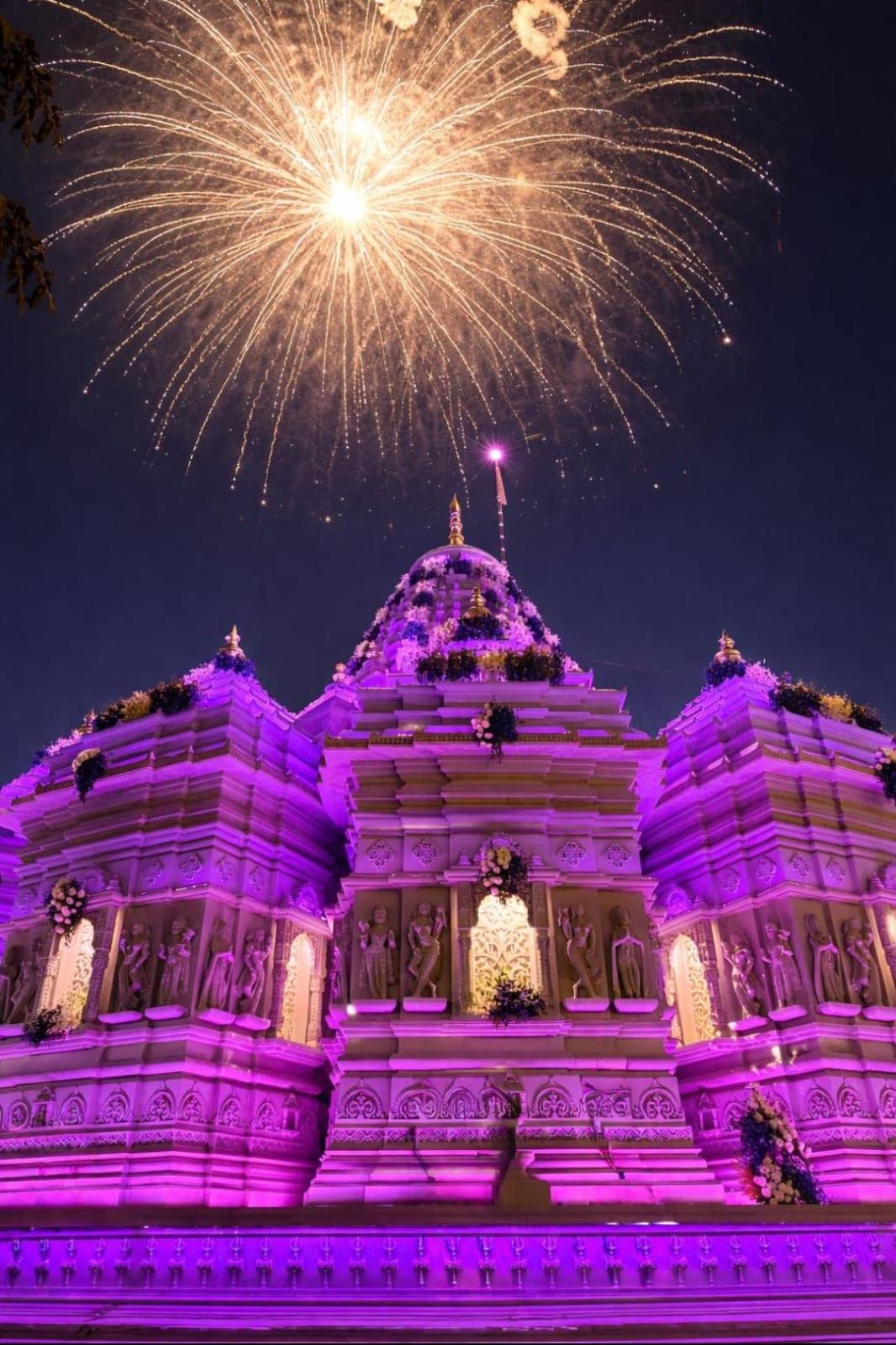
A Grand Celebration of the 59th Birth Anniversary of Jagadguru Narendraacharyaji Shri Kshetra Nanijdham | 21 October 2025
On 21 October 2025, at Shri Kshetra Nanijdham, the 59th birth anniversary of Jagadguru Ramanandacharya Narendraacharyaji was celebrated in an atmosphere filled with devotion, grandeur, and divine radiance. The festivities spanned four days — from 20 to 23 October — encompassing spiritual splendor and heartfelt celebration. The event commenced auspiciously with a grand palanquin procession of the deities from Sundargarh, marking the beginning of the sacred festival. On the holy occasion of Diwali, Lakshmi Puja, enlightening discourses, and the presence of numerous saints and mahants filled the surroundings with divine joy and luminous serenity. The 21st of October was not merely a celebration of birth — it became a radiant festival of Guru's love, devotion, and the light of spiritual wisdom. On the following day, the sacred Padukas, brought through the Vasundhara Padyatra, were ceremoniously worshipped through the Gurukripanugraha Yajna and Nirgun Sthapana Puja. On the final day, the sacred Padukas of all seven sub-seats embarked once again on their onward journey. This grand festival witnessed a unique confluence of devotion, compassion, selfless service, and complete surrender — a spiritual union that rekindled the radiant flame of the Ramanandi tradition in the hearts of millions.
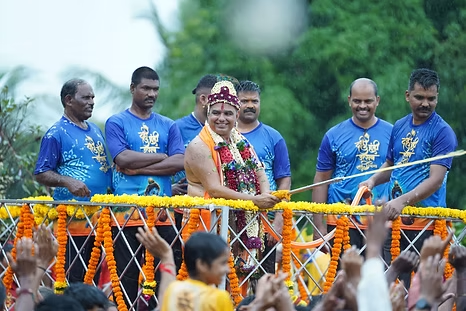
Festival of Devotion | Dahi Handi Celebration at Vasai Sub-Peeth | 15 & 16 August 2025
Under the divine presence and compassionate inspiration of Jagadguru Ramanandacharya Narendraacharyaji, the Dahi Handi Mahotsav celebrated at the Vasai Sub-Peeth became a sacred confluence of devotion, joy, and spiritual enthusiasm. Resounding chants of “Govinda Re Gopala! Jai Jai Nandalala!” echoed throughout the atmosphere, filling it with devotional fervor. With light drizzles, it seemed as if even the sky had marked its participation in this devotional ceremony. On the auspicious occasion of Shri Krishna Janmashtami, thousands of devotees gathered with hearts full of faith, love, and unity. Through the traditional act of breaking the Dahi Handi, the Govinda teams offered not merely a display of physical skill, but a divine manifestation of unity, valor, and unwavering devotion. The celebration was enriched with social awareness placards, highlighting the spirit of community service and collective responsibility. Vibrant cultural performances added to the joyous ambiance, uplifting the hearts of all present. The air brimmed with joy as vibrant cultural performances awakened collective enthusiasm. In the sacred closing moment, Jagadguru Narendraacharyaji Maharaj himself bestowed a divine benediction upon the devotees, showering them with curd, milk, and turmeric-blessed water — a sacred symbol of love and grace. At that divine moment, the grace of the Guru and the love of Lord Krishna flowed into the hearts of every devotee. This celebration was not merely the festival of Dahi Handi—it was a radiant expression of devotion, a message of social awakening, and a sacred occasion illuminated by the benevolent glance of the Guru.
Samarth Sadguru Kadsiddheshwar Maharaj Punyatithi Wari | 16 August 2025
On the sacred day of 16 August 2025, the Punyatithi (Remembrance Day) of Brahmaleen Samarth Sadguru Kadsiddheshwar Maharaj was observed at the Vasai Sub-Peeth with deep reverence, devotion, and heartfelt gratitude. The ceremony was auspiciously inaugurated by Jagadguru Ramanandacharya Narendraacharyaji, who performed the traditional worship (puja) of the Guru’s idol with full spiritual sanctity. Though Jagadguru Ramanandacharya Narendraacharyaji today adorns the highest seat of the Hindu faith, his heart continues to radiate the same unwavering devotion, loyalty, and tender love for his Guru. Even amidst the countless challenges of life, the flame of his faith has never dimmed. This steadfast Guru-bhakti has become a timeless source of inspiration for innumerable disciples. On this occasion, saints, mahants, and numerous seekers from the Ramanandi tradition were present. The confluence of the Punyatithi and the Gopalkala Mahotsav filled the devotees’ hearts with profound joy, divine love, and an overwhelming experience of the Guru’s grace. This sacred commemoration was not merely an event — it was a living expression of eternal devotion to the Guru, an unbroken flow of devotion, and a glorious manifestation of the radiant spiritual heritage that continues to illumine the path of seekers.
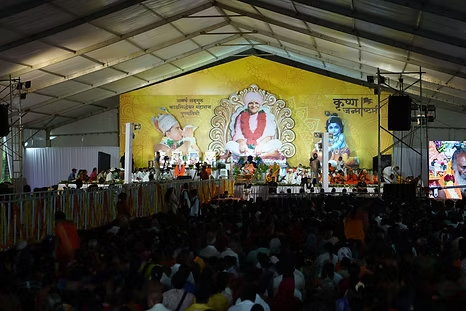
Guru Purnima — The Divine Celebration of Grace 29 July 2026
Guru Purnima is that sacred occasion which leads the soul from the darkness of ignorance to the radiance of divine knowledge. It is not merely a festival — it is the eternal celebration of the Guru–disciple relationship, a moment of faithful surrender, and the beginning of inner awakening. On 10 July 2025, this divine occasion was celebrated with profound devotion at Shri Kshetra Nanijdham, Dakshinpeeth, in the holy presence of Jagadguru Ramanandacharya Narendraacharyaji. In the morning, millions of devotees gathered to perform the Mahapuja — as prescribed in the Vedas — at the sacred lotus feet of their revered Guru. The resonant chants of the four Vedas filled the atmosphere with divine brilliance, spreading serenity and spiritual illumination within every heart. Later, through the Jagadguru’s discourses, blessings, and divine presence, devotees experienced the flowing nectar of bhakti (devotion), gratitude, and wisdom. Each one felt deeply within: "The Guru is the lamp of consciousness who ends all darkness and reveals the light of the Self." That day, Nanijdham was not merely a pilgrimage site — it had become a living Brahmapeeth, the very seat of divine grace. Waves of devotion, surrender, and bliss pervaded the sacred atmosphere. This sacred occasion transcended mere Guru worship — it was a sublime Yajna of self-purification, a vibrant celebration of unwavering faith, and a living revelation of the path to union with the Supreme.
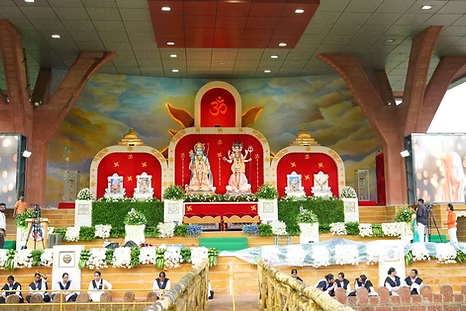
Jagadguru Ramanandacharya Narendraacharyaji’s spirituality is not limited to philosophical thought — it is a living embodiment of values translated into action. Inspired by his vision, thousands of devotees have nurtured a divine tradition of social service and environmental protection.
Posthumous Body Donations
Organ Donations
Blood Bottles Donated (In Year 2025)
Trees Planted (In Year 2025)
“When knowledge transforms into action, it becomes the truest worship of humanity.”